BUREAUCRACY
•
2074 views
Wither Bureaucracy?
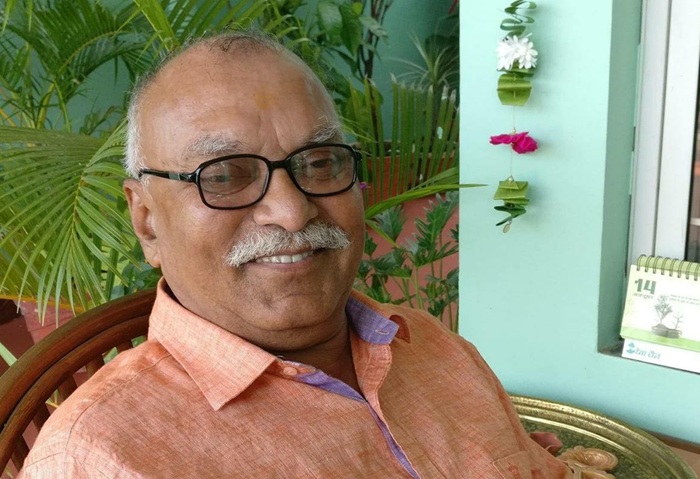
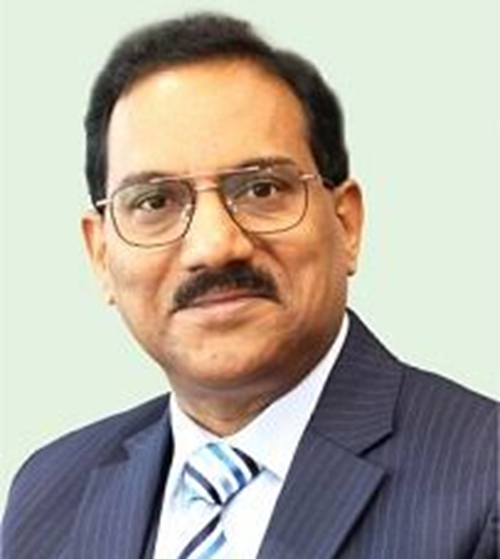
By D S Rai (Retired IAS)
In the 80th year of our freedom, we should evaluate the role of bureaucracy in the development of the nation. It is also accepted that the "steel frame of India" does not work in isolation. It functions under a political system where the government is formed by a political party which gets the majority of the Indian voters' votes.
Political parties get changed, generally, from election to election but the bureaucracy reminds as the civil servants usually work for at least 30 years.
After 1947, the " Imperial" services changed to "Indian" services and the best brains of the country, who were committed to the development of the newly born weak, poor, uneducated nation, came to civil services. Working with the highly inspired and educated political leaders in tandem, they slowly but firmly laid the foundation of a developing India and created a basic structure which gradually made the country stronger and self-dependent, all the time granting the fundamental rights to its citizens as granted in the constitution (except a brief spell in 1975-77). Bureaucracy, in general, remained loyal to the constitution, followed laws and rules and were never afraid to disagree with the ministers or power centres when it came to take right and lawful decisions. Well into the eighties of the last century, the bureaucracy helped the politicians in taking right decisions regarding various schemes related to the development of the country. Good examples are" White revolution, Green revolution, steel production, space programme etc. Ministers and politicians treated bureaucrats with decency and never considered them as 'being under them' or as their or their political parties' servants.
Till early nineties, entrants into civil services came from educated and well informed families and for the most of them entry into civil services guaranteed chances to serve the society in all possible spheres and at the same time assured decent and respected life with perks, needed for easy daily living and a reasonable amount as pension after retirement. Of course, there were exceptions, though in a very small number, who thought of making money during service tenure through dubious means. Proven corrupt officer were looked down with disdain and contempt both by the official hierarchy and the society and they had to spend their remaining years in service with postings considered as loopline.
As the nationalism and attitude of serving people started taking backstage in the political system and the people started accepting bribes as the norm of any government office, the officers also changed. People from all sections of society started cracking the UPSC examinations, the basic character and core moral values of the bureaucrats started declining. Most offices started accepting gifts and bribes behind closed doors for doing the right work. Of course, there are still honest officers but their percentage is minimal. A vicious nexus has developed between politicians , power, anti-social elements and the bureaucrats of dubious character. The sole aims of this nexus are to earn dirty money by hitting the interests of government, exploiting the common citizens and to use this money for winning elections by bribing the voters so that they stay in power eternally.
Especially over the last 15 years, the Indian bureaucracy has experienced a sharp decline in decision-making, efficiency and institutional independence driven by intense political control, systemic risk aversion and outdated operational mode. Fear of the penalization for unintended errors and poor chances of being rewarded for outstanding work are also key factors for inaction. Officers engaged in routine paperwork and avoided taking bold decisions for fear of their career damage and post-retirement prospects. Political leadership has been increasingly favouring pliable officers undermining the neutrality of civil services. Politicians abruptly or frequently transfer officers to punish honest officers.
The BJP government since 2014 has been suspected of selling government properties like airports, ports, railways, shares in major public undertakings on throwaway prices to a handful of business tycoons. All upright officers, while dealing with such sensitive matters, which are directly related to governments financial interests, are expected to deal with such issues with absolute neutrality keeping the interests of the nation as the first concern. Hopefully they have recorded their dissent notes strongly and clearly because when another party comes to power these matters will be definitely re-examined to know whether nation's interests have been compromised.
In public perception, the bureaucratic system in India often mirrors a feudal structure where power is centralised and decision making is opaque. Bureaucrats are rarely held responsible for their actions. The system rewards political loyalty over competence.
Political interference undermines impartial decision making favouring certain groups and prosecuting opponents' failures in infrastructure and public services. Bureaucracy has become a taxpayers burden and hindrance to progress. Unless systemic reforms are made Indian tax payers will continue to suffer, regardless of government's tall claims of good intentions.
(The writer is a retired IAS officer of MP cadre and ‘Bureaugram Inside’ does not buy his views)
After 1947, the " Imperial" services changed to "Indian" services and the best brains of the country, who were committed to the development of the newly born weak, poor, uneducated nation, came to civil services. Working with the highly inspired and educated political leaders in tandem, they slowly but firmly laid the foundation of a developing India and created a basic structure which gradually made the country stronger and self-dependent, all the time granting the fundamental rights to its citizens as granted in the constitution (except a brief spell in 1975-77). Bureaucracy, in general, remained loyal to the constitution, followed laws and rules and were never afraid to disagree with the ministers or power centres when it came to take right and lawful decisions. Well into the eighties of the last century, the bureaucracy helped the politicians in taking right decisions regarding various schemes related to the development of the country. Good examples are" White revolution, Green revolution, steel production, space programme etc. Ministers and politicians treated bureaucrats with decency and never considered them as 'being under them' or as their or their political parties' servants.
Till early nineties, entrants into civil services came from educated and well informed families and for the most of them entry into civil services guaranteed chances to serve the society in all possible spheres and at the same time assured decent and respected life with perks, needed for easy daily living and a reasonable amount as pension after retirement. Of course, there were exceptions, though in a very small number, who thought of making money during service tenure through dubious means. Proven corrupt officer were looked down with disdain and contempt both by the official hierarchy and the society and they had to spend their remaining years in service with postings considered as loopline.
As the nationalism and attitude of serving people started taking backstage in the political system and the people started accepting bribes as the norm of any government office, the officers also changed. People from all sections of society started cracking the UPSC examinations, the basic character and core moral values of the bureaucrats started declining. Most offices started accepting gifts and bribes behind closed doors for doing the right work. Of course, there are still honest officers but their percentage is minimal. A vicious nexus has developed between politicians , power, anti-social elements and the bureaucrats of dubious character. The sole aims of this nexus are to earn dirty money by hitting the interests of government, exploiting the common citizens and to use this money for winning elections by bribing the voters so that they stay in power eternally.
Especially over the last 15 years, the Indian bureaucracy has experienced a sharp decline in decision-making, efficiency and institutional independence driven by intense political control, systemic risk aversion and outdated operational mode. Fear of the penalization for unintended errors and poor chances of being rewarded for outstanding work are also key factors for inaction. Officers engaged in routine paperwork and avoided taking bold decisions for fear of their career damage and post-retirement prospects. Political leadership has been increasingly favouring pliable officers undermining the neutrality of civil services. Politicians abruptly or frequently transfer officers to punish honest officers.
The BJP government since 2014 has been suspected of selling government properties like airports, ports, railways, shares in major public undertakings on throwaway prices to a handful of business tycoons. All upright officers, while dealing with such sensitive matters, which are directly related to governments financial interests, are expected to deal with such issues with absolute neutrality keeping the interests of the nation as the first concern. Hopefully they have recorded their dissent notes strongly and clearly because when another party comes to power these matters will be definitely re-examined to know whether nation's interests have been compromised.
In public perception, the bureaucratic system in India often mirrors a feudal structure where power is centralised and decision making is opaque. Bureaucrats are rarely held responsible for their actions. The system rewards political loyalty over competence.
Political interference undermines impartial decision making favouring certain groups and prosecuting opponents' failures in infrastructure and public services. Bureaucracy has become a taxpayers burden and hindrance to progress. Unless systemic reforms are made Indian tax payers will continue to suffer, regardless of government's tall claims of good intentions.
(The writer is a retired IAS officer of MP cadre and ‘Bureaugram Inside’ does not buy his views)


.jpeg)