Gen Z
•
2799 views
Gen Z: Shaping India's Future
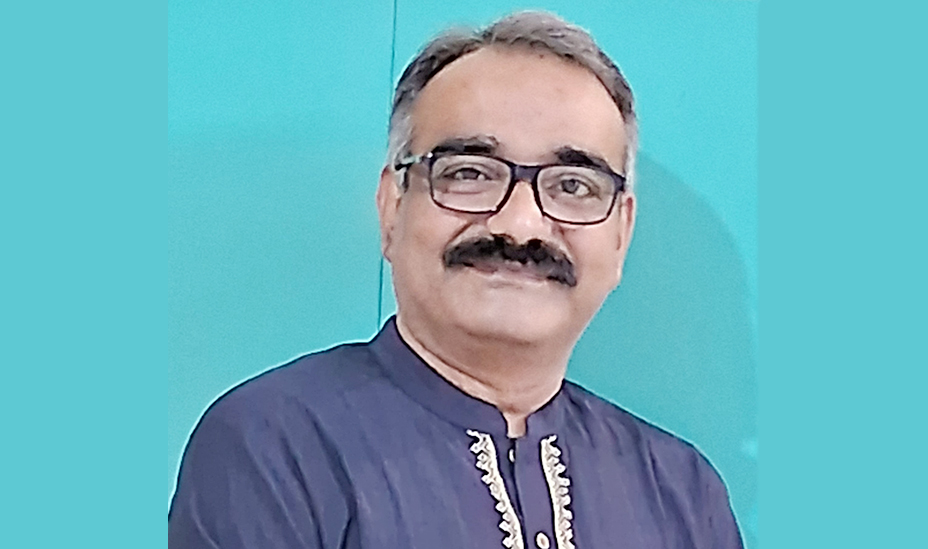
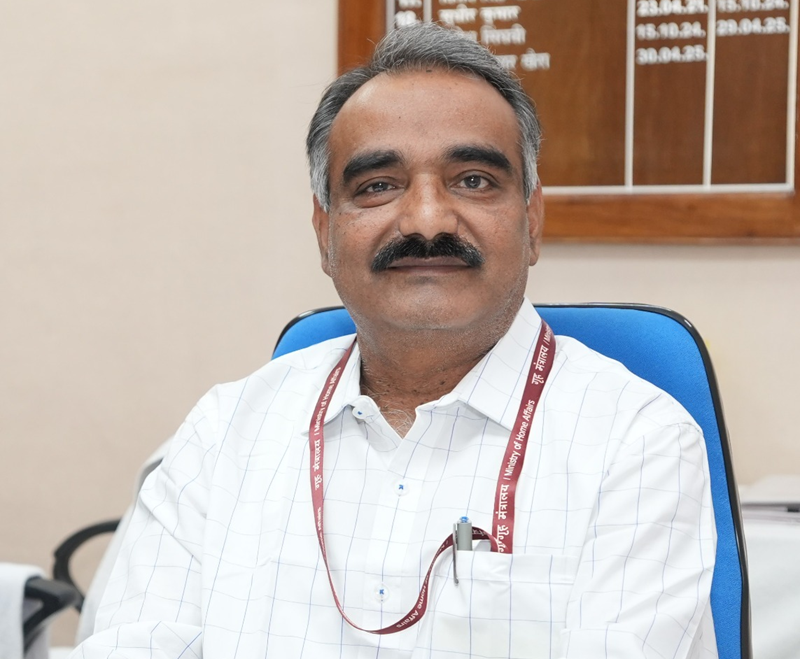
By Deepak Khairha (IRAS)
After May 2014, our country has undergone significant changes on political, social, economic, and international fronts. The opposition, which was relatively stronger during 2014–2019, has gone through a phase of declining influence. During 2019–2024, the strength of opposition parties further decreased. After May 2024, opposition parties have nearly disappeared at the national level.
India is surrounded by three inimical countries—China, Pakistan, and Bangladesh. These countries do not want to see India grow and emerge as a strong and united nation. However, the threat does not come only from external forces; there are also certain internal forces that seek to destabilise the country in their quest for power. To achieve their objectives, they often resort to shortcut methods, such as inciting the youth and Gen Z against the government and the established system, similar to what has recently happened in Nepal and Bangladesh.
In the past 12 years, India’s position in the international arena and its global influence have increased significantly, and even superpowers like the US and Russia cannot ignore India in any international forum. India is growing on all fronts, including military strength, economic development, international relations, and trade agreements such as Free Trade Agreements (FTAs) with several countries.
During the above period, under Prime Minister Narendra Modi, the Bharatiya Janata Party (BJP)-led National Democratic Alliance (NDA) government has implemented major structural, economic, and diplomatic reforms. The government's governance framework has been centred on the vision of Viksit Bharat (Developed India) and Aatmanirbhar Bharat (Self-Reliant India).
Some of the major achievements and initiatives of the BJP-led governments include the opening of Jan Dhan bank accounts, the expansion of Aadhaar biometric identification, the Direct Benefit Transfer (DBT) system, the Unified Payments Interface (UPI), the rapid expansion of national highways, the introduction of Vande Bharat Express trains, the construction of Atal Setu and the Chenab Rail Bridge, the Pradhan Mantri Awas Yojana (PMAY), the Swachh Bharat Mission, the Ayushman Bharat scheme, the recognition of the International Day of Yoga, the Jal Jeevan Mission, free LPG connections under the Ujjwala Yojana, and the PM Garib Kalyan Anna Yojana.
Other notable measures include the abrogation of Article 370, the implementation of the Goods and Services Tax (GST) in 2017, legislation criminalising the practice of Triple Talaq, and the construction of the Ram Janmabhoomi Mandir in Ayodhya.
India's startup ecosystem has grown exponentially, expanding from roughly 400 startups in 2014 to more than 2.3 lakh startups today. The government also shifted the country's strategic approach towards cross-border terrorism through measures such as the 2016 Surgical Strikes and the 2019 Balakot Airstrike. Driven by the Make in India initiative in defence manufacturing, India's defence exports have reached a record high of over ₹38,400 crores, helping transform the country from a major importer into an emerging exporter of military hardware.
The role of Gen Z in India's development over the last 12 years cannot be overlooked. Many of the achievements associated with this period, including the widespread adoption of digital technologies, UPI-based payments, the growth of startups, and the expansion of the digital economy, have involved Gen Z either directly or indirectly. As innovators, entrepreneurs, skilled professionals, and active users of new technologies, young people have contributed significantly to economic growth, digital transformation, and social progress. Their participation has helped accelerate India's journey toward modernization and national development.
The sad part of the political system of India is that opposition parties are not contesting elections on national or international issues; rather, they want to dethrone the ruling party and destabilise the nation as a whole through shortcut methods like the formation of a Cockroach Janata Party (CJP) or by inciting the youth against the nation by adopting destructive means in the name of unemployment and poverty.
The Cockroach Janta Party (CJP) was reportedly formed after remarks made by the Chief Justice of India, during a court hearing in May 2026. According to multiple reports based on media and social media, he referred to some unemployed youth with fake or dubious qualifications as being "like cockroaches" who had no place in a profession and then attacked institutions through media or activism. That comment is widely cited as the trigger that led to the formation of the Cockroach Janta Party. The remark went viral and sparked strong reactions online. In response, Abhijeet Dipke launched the Cockroach Janta Party on May 16, 2026, as a satirical online political movement, turning the term "cockroach" into a symbol of protest and solidarity among many young people frustrated with unemployment and exam-related issues.
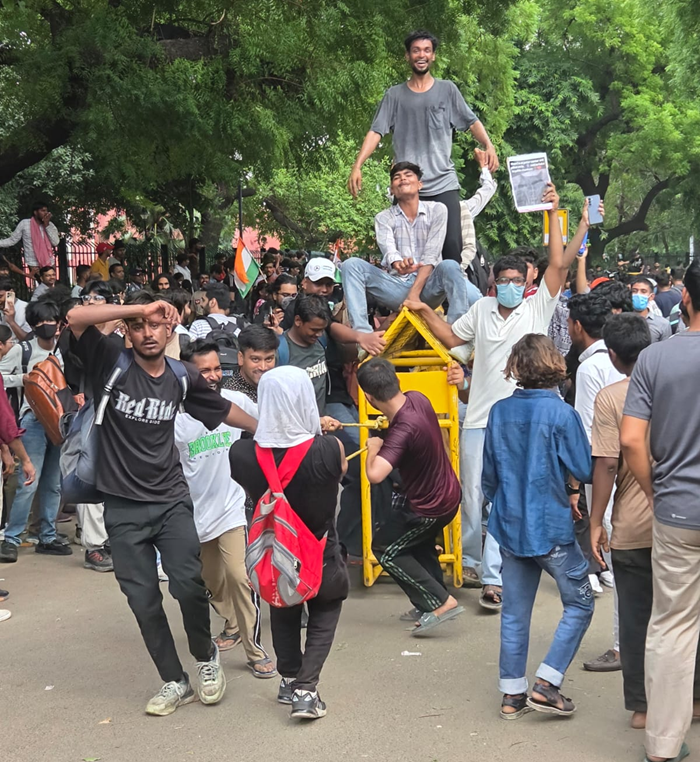
Generally, teenagers born between 1995 and 2010 are considered Gen Z. However, in a broader sense, we are treating all students and youths—especially the unemployed population—as part of Gen Z. This young, energetic group of youths and teenagers is referred to as Gen Z.
Some opposition parties and disruptive forces have wrongly interpreted the mentality of Indian Gen Z. They have compared Indian Gen Z with the Gen Z of Nepal and Bangladesh and were expecting similar upheavals in India as well.
However, Indian Gen Z is neither destructive in mentality nor opposed to the nation. They possess their own wisdom and are largely focused on competitive examinations such as NEET, JEE, CLAT, and the recently introduced CUET. Instead of wasting their time and energy in anti-national movements, almost all of them are working hard in places like Kota and other places, preparing diligently for these exams.
Sundar Pichai, Satya Nadella, and Indra Nooyi are part of the Indian talent pool who have helped keep the Indian tricolour high across the world. Similarly, Kalpana Chawla and Sunita Williams have been an inseparable part of several NASA expeditions.
We as seniors have faith on the Gen Z and Gen Z too have faith on the nation and ruling party. Our Gen Z will never come into the influence of the parties having short term vision. Incidents like those that occurred in Nepal and Bangladesh will never occur in India because we have faith in our institutions, especially the Army, the police, the civil administration, the judiciary, and, finally, the government at the Centre.
Germany exports automobiles and machinery. The United States exports computers, advanced technology, and semiconductor chips. Japan is known for exporting electronic goods and machinery, while Taiwan and South Korea are major exporters of semiconductor chips.
But what does India export? India exports talent. The country's greatest strength lies in its vast pool of human resources and the brilliance of its Gen Z population. Every year, thousands of Indian engineers, doctors, scientists, researchers, and other skilled professionals contribute their expertise not only at home but also in developed nations across the world. Their knowledge, innovation, and hard work have become one of India's most valuable contributions to the global economy.
Many global companies actively recruit Indian professionals because of their talent, skills, innovation, and strong work ethic. It is often said that companies like Microsoft recognize the immense potential of Indian talent. Some even argue that if such companies did not provide opportunities to skilled Indian professionals, many ambitious members of Gen Z could go on to create world-class technology companies of their own in India. This reflects the growing global reputation of Indians as engineers, entrepreneurs, scientists, doctors, and leaders who are capable of driving innovation and contributing significantly to the world economy.
Whether it is Microsoft, Intel, NASA, or Google, Indians have become an inseparable and inevitable part of these organisations. Indian Gen Z is more influenced by the lives of Sundar Pichai, Satya Nadella, Kalpana Chawla, and Sunita Williams, rather than by leaders of parties who are perceived to have a short-term vision.
These youths were misled during the implementation of the Agniveer scheme. It was one of the rare occasions when they adopted violent means to express their anger and frustration over increasing unemployment in India. Even then, their actions were allegedly influenced and provoked by anti-national elements.
Sometimes, protests by Gen Z are also justified, such as in cases like the NEET paper leak or issues related to CBSE’s online evaluation system. Such protests should always remain peaceful, as the future of many students is at stake. However, these issues are sometimes politicised, and Gen Z is allegedly provoked by groups such as the so-called CJP and others operating behind the scenes.
Gen Z must exercise patience, as the government is taking action, police are making arrests, and investigations are being conducted by various agencies to identify the culprits and dismantle the cartel.
Here, the patience of Gen Z is appreciable, and they are hardly influenced by the CJP or other disruptive forces. Instead, they are focused on re-examinations like NEET, other competitive exams, and admissions into graduation courses. They look up to role models such as Sundar Pichai, Satya Nadella, and Indra Nooyi rather than such groups.
Police verification is a mandatory requirement for securing jobs in government services, and every youth is aware of this. Keeping this in mind, most of them would avoid involving themselves in any criminal activity that could spoil their careers and future. Police case is also like a mortgage. Once a police case is always a police case. Gen Z in India is generally disciplined and possesses greater awareness and wisdom compared to their counterparts in countries such as Nepal and Bangladesh.
Only a minuscule percentage of Gen Z may be misguided, often due to unemployment, poverty, or difficult financial circumstances. However, with timely counselling, proper guidance, and constructive engagement, they can be positively inspired and integrated into the national mainstream of development.
Perhaps one of the weaknesses of Gen Z is that many of them tend to be more emotional and sensitive than the youth of the 1980s and 1990s. As a result, some students preparing for highly competitive examinations such as NEET and JEE find it difficult to cope with academic pressure, leading to stress, anxiety, and, in some cases, depression. Unfortunately, a few even develop suicidal thoughts.
In the last five years, more than 150 students have reportedly committed suicide due to academic or parental pressure related to selection in NEET or JEE in Kota. Overall, more than 65,000 students have reportedly committed suicide in India for various reasons, including academic pressure.
However, depression should not be viewed as an incurable condition. With timely counselling, emotional support, and proper guidance, most students can overcome such challenges. Parents play a crucial role in identifying early signs of distress and taking prompt action. Open communication, encouragement, and professional help, when needed, can go a long way in preventing such tragic outcomes.
(These views expressed by an IRAS officer in the Railways. The Bureaugram.com does not buy his views. The author can be contacted through his email Id: deepak_khairha@yahoo.com)


.jpeg)